
Analysis
The African Union Counter Terrorism Centre (AUCTC), with the support of the ICRC (International Committee of the Red Cross)
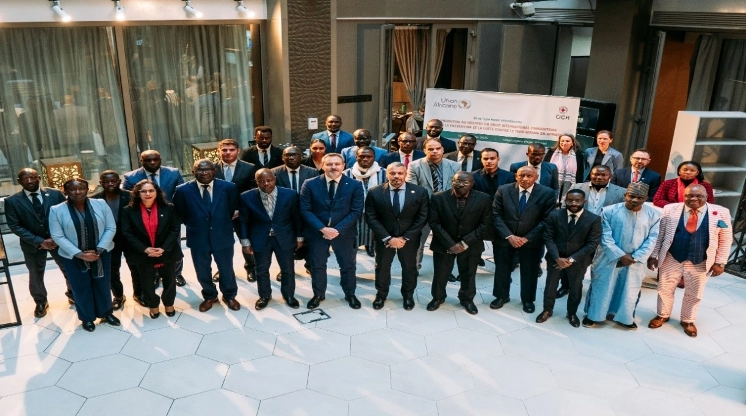
The African Union Centre for the Study and Research on Terrorism (AUCTC), with the support of the ICRC (International Committee of the Red Cross) – a humanitarian, independent, neutral, and impartial organization – organized the 3rd Interregional Roundtable on Promoting Respect for International Humanitarian Law (IHL) in the Prevention and Fight against Terrorism in Africa. This event took place from 18 to 20 February 2025 in Algiers and brought together thirty participants, including representatives from 14 African States, regional organizations such as the Southern African Development Community (SADC), the African Union Mechanism for Police Cooperation (AFRIPOL), the Fusion and Liaison Unit of the Sahel States (UFL-Sahel), members of the AUCTC, as well as legal, humanitarian, and security experts.
The objective of this roundtable was to discuss the humanitarian challenges arising from armed conflicts and terrorism in Africa. The emphasis was placed on the need to respect IHL during armed conflicts, as well as in the design and implementation of national counter-terrorism measures. The discussions particularly focused on the protection of persons who are not or are no longer participating in hostilities, and the importance of preserving the space for impartial humanitarian action in favor of victims.
In his opening remarks, Mr. Idriss Mounir Lallali, Acting Director of the AUCTC, stated:
“In recent years, terrorism has deeply affected civilians in conflict zones across the continent. While robust counter-terrorism measures are necessary to ensure the State's authority over the many violent groups that are proliferating and causing unspeakable suffering to our populations – and to strengthen its capacity to ensure their protection – these measures must be carefully calibrated to ensure respect for IHL and to avoid hindering humanitarian access or exacerbating the suffering of affected populations.”
He continued:
“The core principles of IHL – distinction, proportionality, precaution, and humanity – are not merely abstract legal concepts, but essential safeguards against the indiscriminate and/or excessive use of force that may cause civilian casualties and further destabilize regions already affected by conflict.”
Mr. Lorenzo Caraffi, Head of the ICRC Regional Delegation in Algiers, provided an overview of the humanitarian situation in Africa, focusing on the complexity of armed conflicts on the continent:
“The humanitarian consequences of armed conflicts in Africa are dramatic and further exacerbated by the impact of climate change. Conflicts are becoming increasingly fragmented, making the situation even more complex. Amid these crises, we are witnessing an alarming lack of respect for IHL. Yet, respect for IHL not only reduces the suffering caused by conflict but also lays the groundwork for easier post-conflict reconciliation.”
The discussions also addressed humanitarian challenges in counter-terrorism operations, with a particular focus on detention and the protection of the dignity of captured individuals. Participants had the opportunity to share experiences and provide practical recommendations to better address humanitarian needs while upholding States' security imperatives.
Working groups explored best practices for adapting and strengthening legal and operational frameworks applicable to counter-terrorism in armed conflict contexts. The event also aimed to consolidate cooperation between humanitarian actors, the African Union, African States, and regional organizations for a more coordinated response to the humanitarian consequences of terrorism and armed conflict on the continent.
Respect for IHL is fundamental to protecting individuals affected by armed conflict and ensuring humanitarian action in favor of the most vulnerable. Continued cooperation among all stakeholders is essential to guarantee the protection of rights and dignity, even in the most extreme crisis situations.